
Topic
Current affairs literacy: how to read the news like an analyst
Reporting, analysis, and spin are three different products. Learning to tell them apart takes about an hour and a few questions you can ask of any story.
Reporting, analysis, and spin are three different products. Learning to tell them apart takes about an hour and a few questions you can ask of any story.

Old systems survive because replacing them is harder, slower, and riskier than it looks. Here is how legacy technology actually works in government, and what catching up really costs.
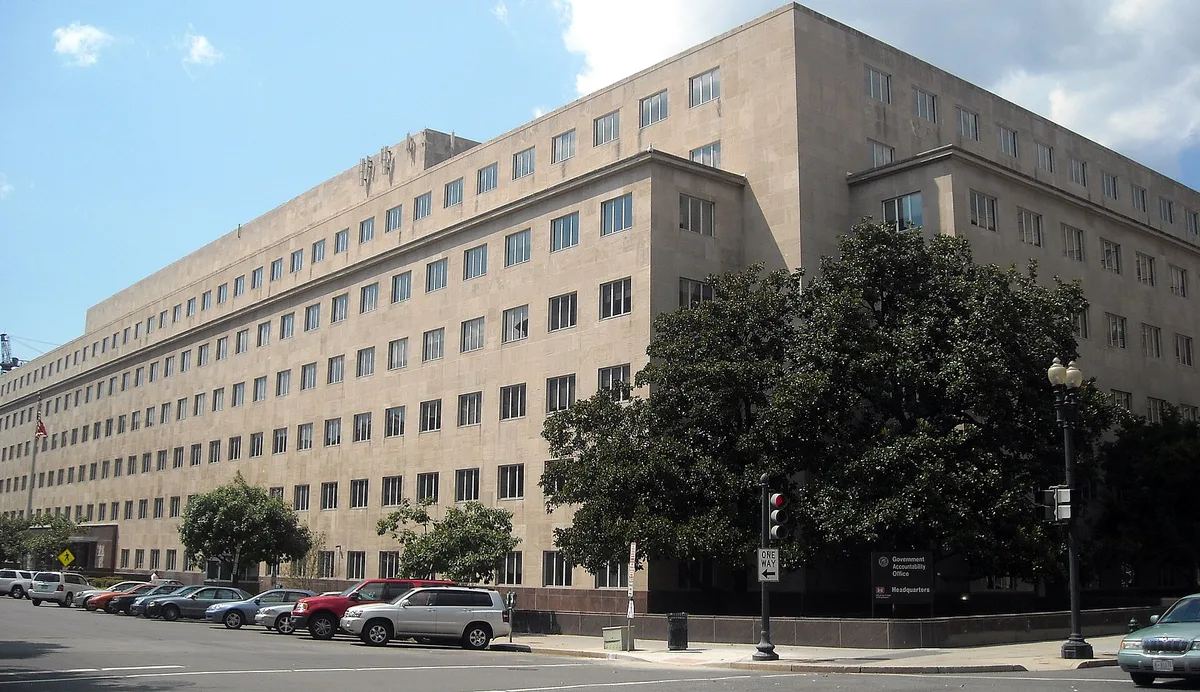
Who checks the work of federal agencies, how audits happen, and what turns a finding into actual change.

The phrase sounds grand. It describes something ordinary: the daily work of governing, and the paper trail it leaves behind.
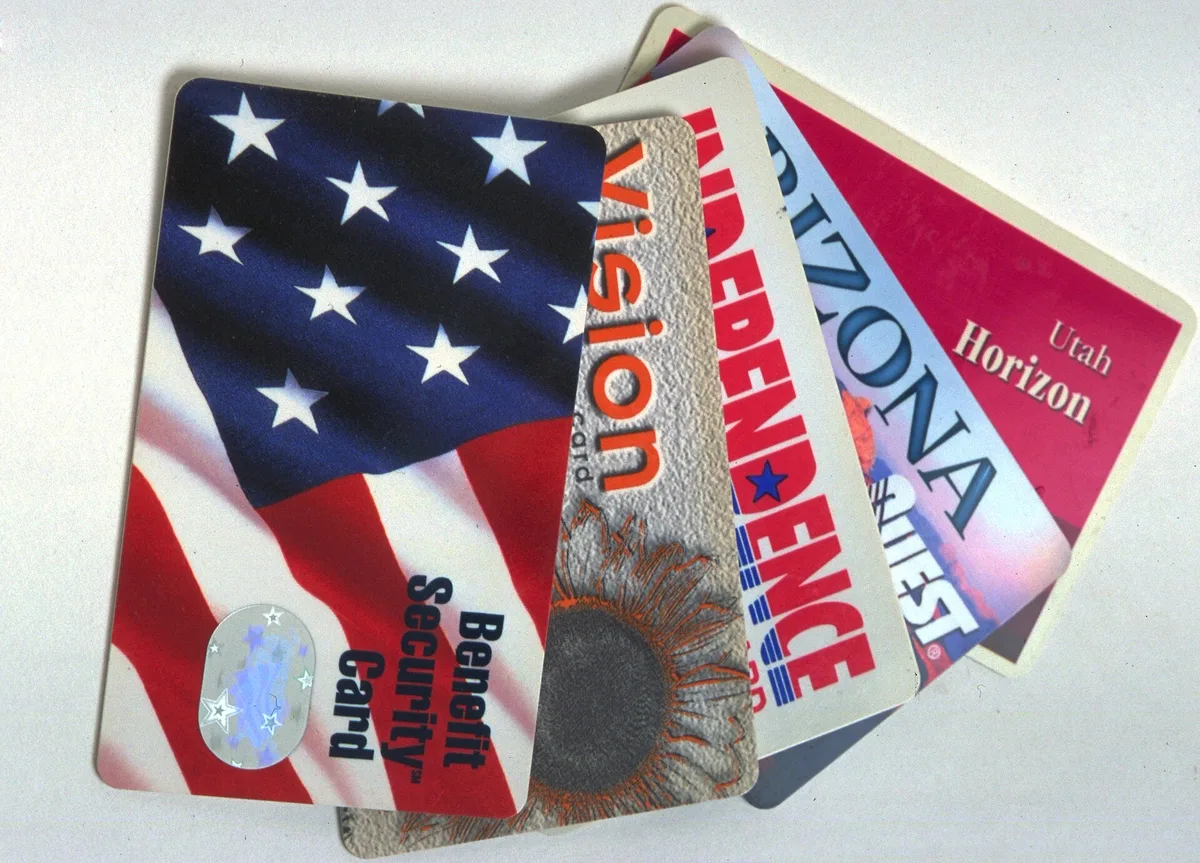
How public agencies buy benefits software, and why legacy systems, frozen requirements, and slow procurement push modernization projects over budget.

Press releases, briefings, dockets and court records all feed the stories on your screen. Here is how the chain works, and where it can bend.

A widely used management model ranks how people respond when something goes wrong. It maps surprisingly well onto how government agencies answer for their failures.

The two words get used interchangeably in government and at work. They mean different things, and the gap between them is where oversight finds most of its problems.

A small set of sources and a few habits can replace the endless scroll.
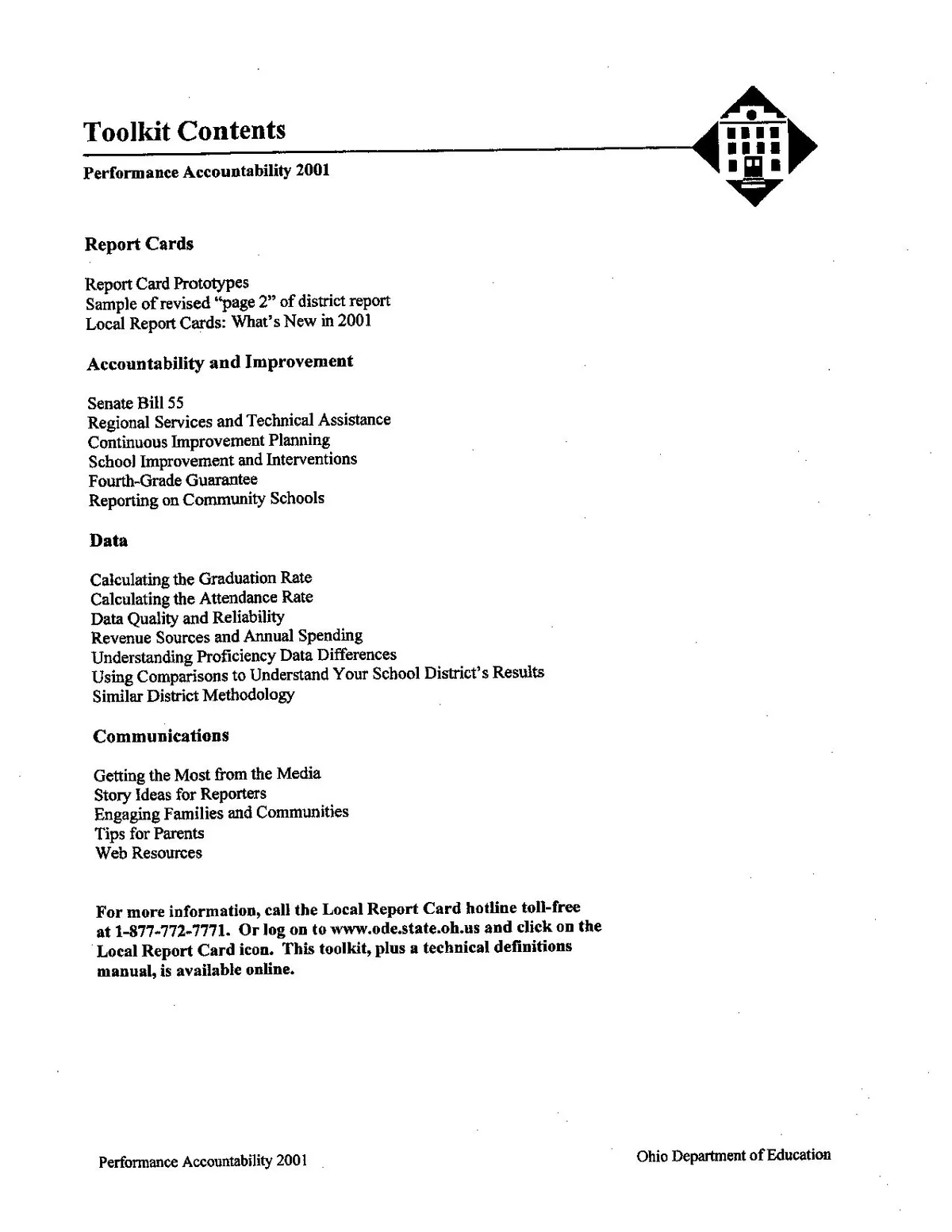
Famous lines about truth-telling and ownership carry practical rules for how oversight really works.